
By Clearwater ID Now
In rural Idaho, emergency planning looks a little different.
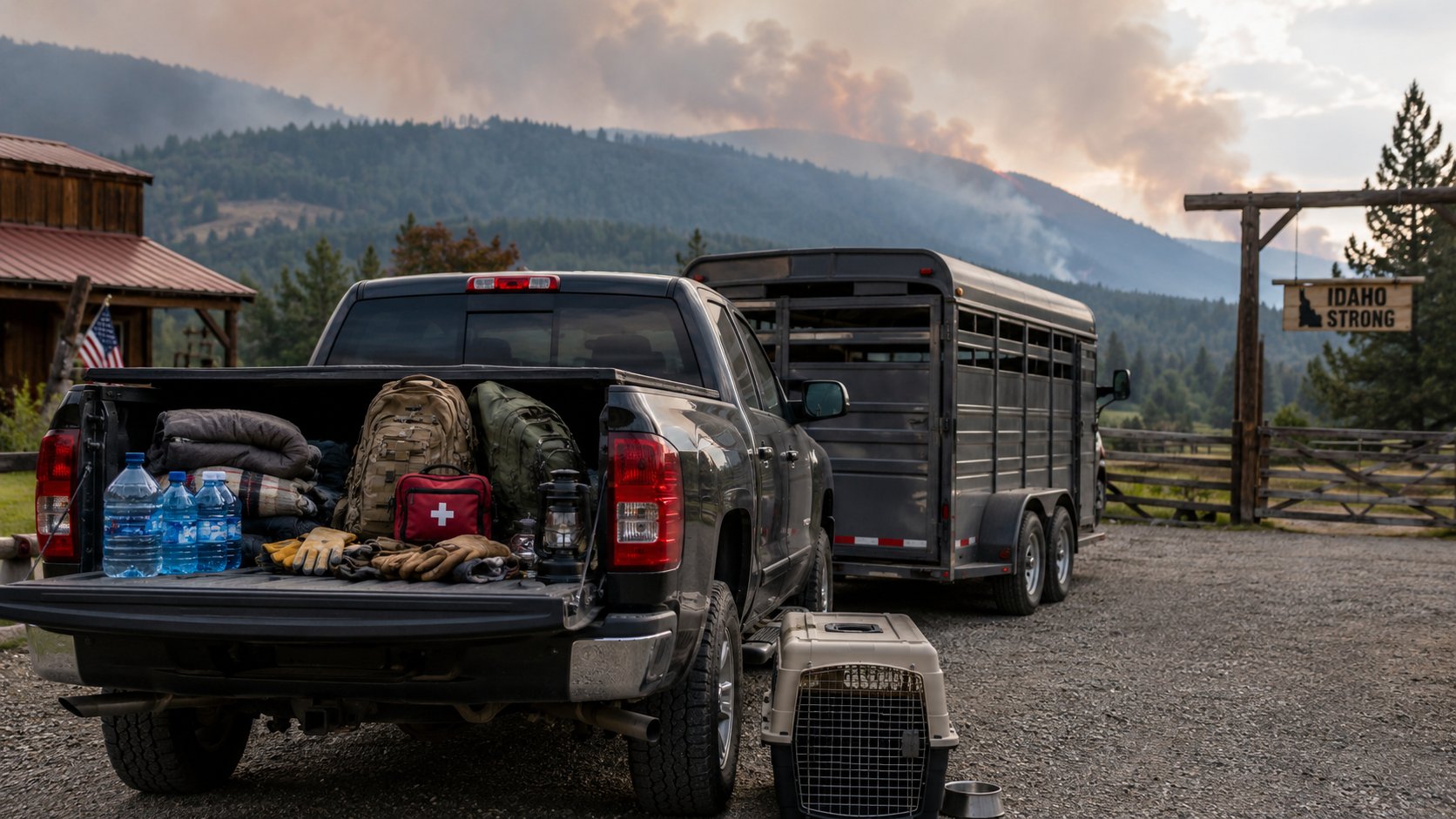
We are not just packing a backpack and heading for the nearest freeway. Many of us have gravel roads, long driveways, wells, propane tanks, livestock, pets, barns, trailers, aging family members, limited cell service, and maybe one road in and one road out.
That means emergency preparation is not about fear. It is about being able to move quickly, think clearly, and take care of what matters most when fire, flood, road closures, severe weather, power outages, or other emergencies hit close to home.
Here is a practical checklist for rural households to help you prepare before an emergency is already at the driveway.
1. Start With a Rural “Go Bag”
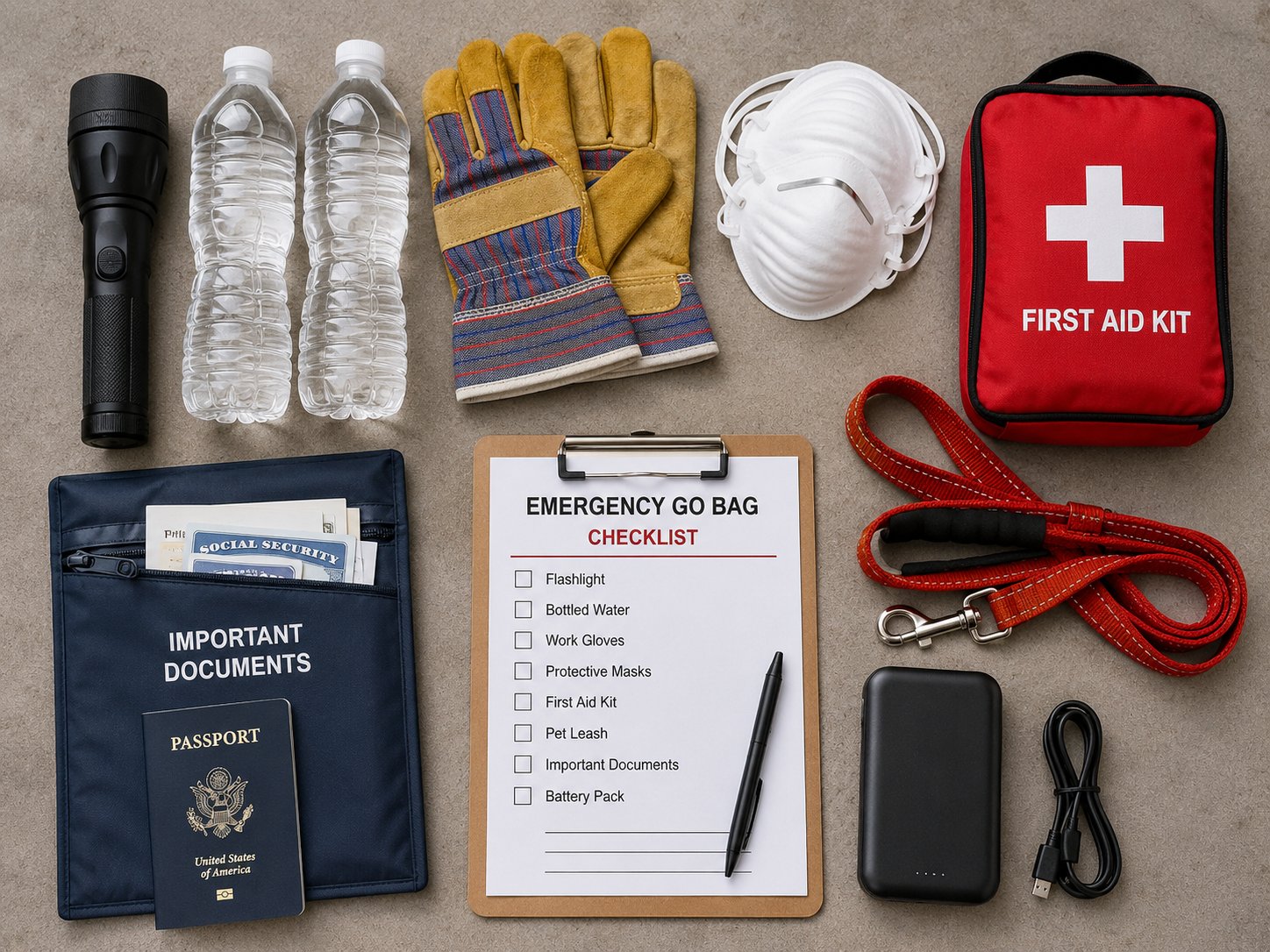
A go bag is a ready-to-grab emergency kit for each person in your household. It should be easy to carry and stored where you can grab it fast.
For rural families, the goal is simple: have enough basics to get through the first day or two if you need to leave quickly or if you are temporarily stuck away from home.
Personal Go Bag Checklist
Pack these items for each household member:
- Change of clothes
- Sturdy shoes and socks
- Jacket, sweatshirt, or rain layer
- Flashlight or headlamp
- Extra batteries or charging cord
- Phone charger and power bank
- Bottled water
- Shelf-stable snacks
- Basic first aid items
- Medications and copies of prescriptions
- Glasses, contacts, hearing aid supplies, or other needed medical items
- Copies of ID, insurance, and important documents
- Cash in small bills
- Notepad and pen
- Comfort item for kids
- Hygiene items
- N95 or KN95 masks for smoke
- Work gloves
- Local paper map or printed directions
Do not forget the boring stuff. The boring stuff is usually what saves your bacon.
2. Create a Family Evacuation Plan
When a fire or other emergency is moving fast, that is not the time to debate who is driving what, where the dog crate is, or which road to take.
Make a simple plan now.
Your Family Plan Should Include:
- Two evacuation routes, if possible
- A meeting place outside your neighborhood
- An out-of-area contact person everyone can check in with
- A plan for kids, elderly family members, and anyone with medical needs
- A plan for pets and livestock
- A printed list of emergency contacts
- A backup communication plan if cell service is down
- A plan for what vehicles, trailers, and equipment need to be ready
Write the plan down. Put a copy on the fridge, in your vehicle, and in your go bag.
Also, make sure everyone in the household knows the difference between “keep an eye on it,” “start loading,” and “we are leaving now.”

3. Prepare Your Home Before Fire Season
You do not have to turn your property into a concrete bunker. But you can reduce fire risk by doing some simple cleanup around your home and outbuildings.
Home & Property Prep Checklist
- Clear dry leaves, pine needles, and debris from gutters
- Move firewood away from the house
- Keep grass and weeds trimmed around buildings
- Remove dead limbs, brush, and dry vegetation near structures
- Create clear access for fire vehicles if possible
- Mark your driveway and address clearly
- Keep hoses accessible
- Know how to shut off propane, gas, power, and water
- Store flammable materials away from structures
- Keep important documents together and easy to grab
- Take photos or video of your home, shop, barn, equipment, and valuables for insurance records
If you have a long driveway, locked gate, narrow bridge, low-hanging branches, or tight turnaround, think through whether emergency crews could get in and out safely.
That one detail matters more than people realize.
4. Do a Vehicle & Fuel Check
In town, running low on fuel is inconvenient. In a rural emergency, it can become a real problem.
Vehicle Readiness Checklist
- Keep your vehicle at least half full during fire season or storm season
- Keep trailers accessible and not buried behind five other things
- Check trailer tires and lights before you need them
- Keep jumper cables in your vehicle
- Keep basic tools, gloves, flashlight, water, and blankets in your rig
- Know which vehicle is used for people, pets, livestock, or supplies
- Back vehicles in when conditions are concerning so you can leave quickly
If evacuation becomes likely, do not wait until the last minute to hook up a stock trailer. That job is enough fun on a good day. Add smoke, stress, and a panicked animal, and suddenly everyone is speaking fluent chaos.
5. Make a Pet Emergency Kit
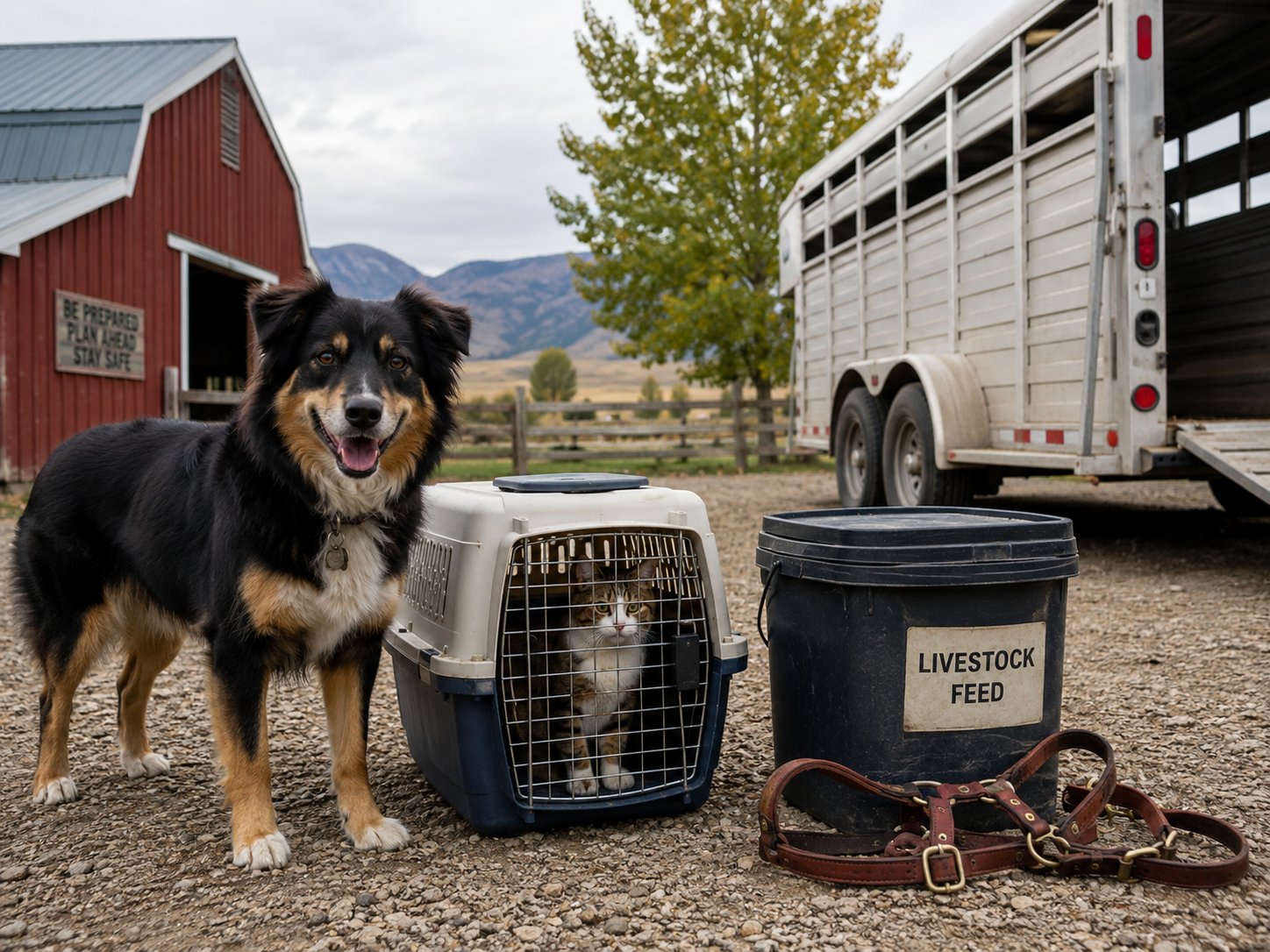
Pets are family, and they need their own grab-and-go supplies.
Pet Go Kit Checklist
Pack supplies in a tote, backpack, or small bin:
- Food for several days
- Water
- Bowls
- Leash, collar, harness, or carrier
- Medications
- Vaccination records
- Microchip information
- Current photo of each pet
- Waste bags or litter supplies
- Blanket, towel, or familiar toy
- Pet first aid supplies
- Crate labels with your name and phone number
If you have cats or small dogs, keep carriers easy to reach. Not in the shed. Not under Christmas decorations. Not behind the “I’ll deal with that later” pile. Easy to reach means easy to reach.
Also consider where you would go if you had to leave. Not every shelter, hotel, or friend’s house can take animals, so make a pet-friendly backup plan ahead of time.
6. Plan Ahead for Livestock
Livestock preparation takes more time, space, and equipment. Waiting until an evacuation notice is issued may not leave enough time to load animals safely.
Livestock Emergency Checklist
- Identify which animals must be moved first
- Keep halters, lead ropes, panels, and gates accessible
- Make sure trailers are road-ready
- Practice loading animals before an emergency
- Keep records of ownership, brands, health, and vaccinations
- Take current photos of animals
- Have feed and water ready to load
- Know where animals can be taken if you must evacuate
- Coordinate with neighbors, family, or friends who have trailers or pasture
- Label gates, pens, and feed if someone else may need to help
If evacuation is possible, load early. Animals can sense stress, smoke, wind, and commotion. Your calm, early plan is safer than a last-minute rodeo nobody signed up for.
7. Think About Wells, Power, and Water
Many rural homes depend on wells, pumps, pressure tanks, and electricity. When the power goes out, water access may change fast.
Water & Power Prep
- Store drinking water for people and pets
- Keep extra water available for livestock when possible
- Know whether your well works during a power outage
- Consider a generator plan if medically or practically needed
- Store fuel safely and legally
- Keep flashlights and lanterns ready
- Charge phones and battery packs when fire danger or storms are expected
- Keep a battery-powered or hand-crank radio available
Do not wait until the power is out to figure out which extension cord runs what. That is how emergency prep turns into an unplanned family character-building exercise.
8. Keep Information Sources Handy
During an emergency, rumors travel faster than a grass fire in wind. Stick with official sources whenever possible.
Helpful Local Information Sources
- Clearwater County Emergency Management
- Clearwater County Sheriff’s Office
- Idaho 511 for road conditions and closures
- Idaho Department of Lands wildfire alerts
- Local fire districts and official agency pages
- NOAA Weather Radio or weather alerts
- Clearwater ID Now for local updates and resource sharing when available
Save important numbers and websites before you need them. If cell service is poor, write them down and keep a printed copy in your vehicle or go bag.
9. Build a “Start Loading” List
One of the best rural emergency tools is a simple “start loading” list. This is different from your go bag. It is the extra list you use when you may have a little more time.
If You Have 15–30 Minutes, Consider Loading:
- Go bags
- Pets and pet kits
- Medications
- Important documents
- Computers or hard drives
- Family photos or keepsakes
- Firearms and valuables, if applicable and safe to do so
- Livestock records
- Extra clothing
- Coolers with essential food
- Tools, chainsaw, or generator if needed
- Animal feed
- Water containers
Keep the list short. In a real emergency, your brain will try to turn into mashed potatoes. A printed list helps.
10. Know When to Leave
This is the hard one.
Rural folks are independent. We are used to fixing things, watching the ridge, checking the wind, and saying, “Let’s give it a minute.”
But with wildfire and fast-moving emergencies, waiting too long can put you, your family, your animals, and first responders at risk.
Leave early when advised. If you have livestock, mobility challenges, young children, or limited transportation, leaving early is not overreacting. It is smart planning.
No possession is worth risking your life.
Quick Rural Emergency Checklist
Here is the short version to save, print, or share:
- Make a go bag for every person
- Create pet and livestock emergency kits
- Keep vehicles fueled
- Have two evacuation routes
- Sign up for local alerts
- Keep important documents together
- Clear brush and debris near structures
- Make trailers accessible and road-ready
- Store water for people and animals
- Know how to shut off utilities
- Save official information sources
- Leave early when conditions call for it
Final Thought
Preparedness does not have to be fancy. It just needs to be done before the emergency shows up.
Take one section at a time. Build the go bags this week. Check the trailer next week. Clear around the house after that. Save the local alert links today.
Small steps now can make a very big difference later.
Stay safe, prepare now.